
- COMMERCIAL GARAGE DOOR REPAIR
- GARAGE DOOR OPENER INSTALLATION
- GARAGE DOOR SPRING REPAIR
- SAME-DAY GARAGE DOOR REPAIR
- CUSTOM GARAGE DOOR
- GARAGE DOOR OPENER REPAIR
- GARAGE DOOR TRACK REPAIR
- GARAGE DOOR CABLE REPAIR
- GARAGE DOOR PANEL REPAIR
- LOCAL GARAGE DOOR REPAIR
- GARAGE DOOR REPLACEMENT
- NOISY GARAGE DOOR FIX
- GARAGE DOOR INSTALLATION
- GARAGE DOOR SECTION REPLACEMENT
- OVERHEAD GARAGE DOOR REPAIR
- GATE REPAIR
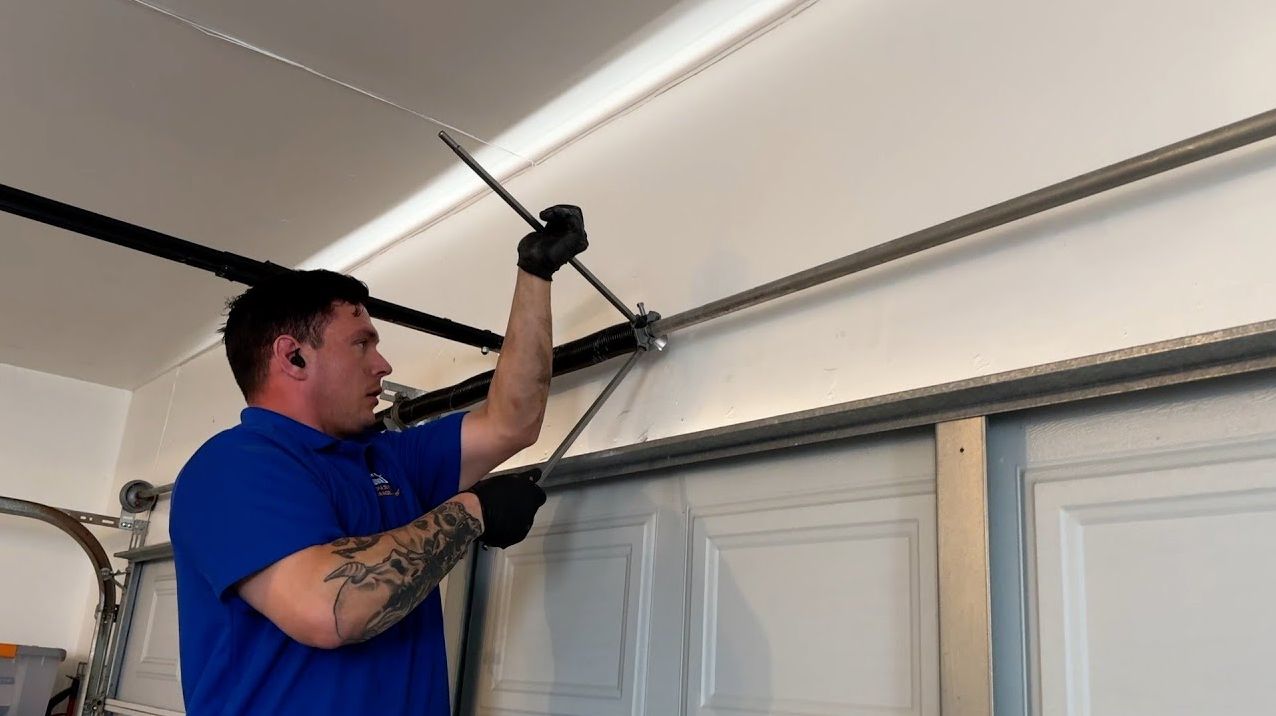
Understanding the Mechanics of Garage Door Spring Replacement
A functioning garage door relies on a complex counterbalancing system to lift hundreds of pounds of steel and insulation with minimal effort. At the heart of this system lies the springs. When these components fatigue or snap, a professional garage door spring replacement by the experts at Garage Door Repair Sapphire Shores becomes a critical necessity for both safety and home accessibility.
Understanding the mechanics behind how these springs operate—and why they eventually fail—is the first step in maintaining a reliable door. Because these parts sit under extreme mechanical tension, homeowners must treat them with respect and recognize the signs of wear before a total breakdown occurs.
The Role of Tension and Torque in Door Operation
Garage door springs don’t “lift” the door with raw power. Instead, they provide the counterbalance needed for a motor or human to move it easily. Modern residential systems use two primary types: torsion and extension springs.
Torsion Springs
Torsion springs sit on a metal shaft above the door opening. They tighten as the door closes, storing energy through a twisting motion. When the door opens, this stored torque uncoils to assist the lift.
Extension Springs
Extension springs mount along the horizontal tracks. They store energy by stretching as the door descends.
The Physics of Failure
Both systems rely on stored energy. Every cycle creates molecular stress on the steel. Most standard springs are rated for 10,000 cycles. Eventually, the metal becomes brittle. When the spring reaches its limit, it snaps with a loud “bang.”
The Danger of Torsion Failure
Torsion springs are durable and smooth but hold massive potential energy. When they snap, they stay on the shaft. This prevents them from flying, but the door becomes “dead weight” instantly. Using an opener on a broken torsion spring can burn out the motor or cause cables to jump off their drums.
Extension Springs and Safety
Extension springs are common in garages with low headroom. Because they stretch and contract, they can fly across the room if they snap.
Professional Maintenance and Safety Standards
While many home repairs fall into the DIY category, adjusting or replacing garage door springs is a high-risk task that requires specialized tools like winding cones and winding bars. A single slip during the tensioning process can result in severe injury. Professionals ensure that the replacement springs match the specific weight and height of the door, as an improperly balanced door will put undue strain on the entire tracks and opener system.
Regularly lubricating your springs with a lithium-based spray can help reduce friction and prevent premature rust, extending the life of the unit. However, if you notice your door is opening slowly, making a loud straining noise, or if you see a visible gap in the coils of your spring, you need a garage door spring replacement immediately. For residents who require expert precision and reliable service, Garage Door Sapphire Shores provides comprehensive diagnostics and high-cycle spring installations to keep your home secure and your door moving smoothly.