
- COMMERCIAL GARAGE DOOR REPAIR
- GARAGE DOOR OPENER INSTALLATION
- GARAGE DOOR SPRING REPAIR
- SAME-DAY GARAGE DOOR REPAIR
- CUSTOM GARAGE DOOR
- GARAGE DOOR OPENER REPAIR
- GARAGE DOOR TRACK REPAIR
- GARAGE DOOR CABLE REPAIR
- GARAGE DOOR PANEL REPAIR
- LOCAL GARAGE DOOR REPAIR
- GARAGE DOOR REPLACEMENT
- NOISY GARAGE DOOR FIX
- GARAGE DOOR INSTALLATION
- GARAGE DOOR SECTION REPLACEMENT
- OVERHEAD GARAGE DOOR REPAIR
- GATE REPAIR
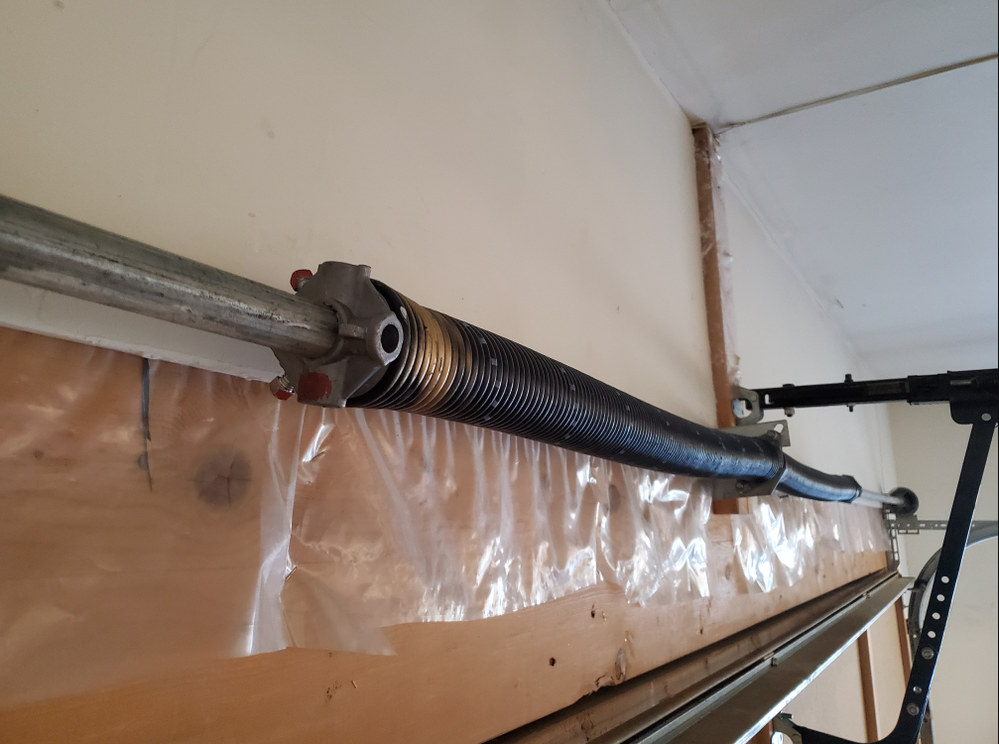
How to Identify a Broken Spring on a Torsion System
A garage door serves as the largest moving object in most homes, and its operation relies heavily on a high-tension spring system. When a broken spring occurs, the door effectively becomes a massive dead weight that the opener cannot lift.
Homeowners often mistake this failure for a broken motor or a derailed track, but identifying the specific signs of a torsion failure can save you time and prevent further damage to your garage door opener. Garage Door Repair Sapphire Shores specializes in diagnosing these issues quickly to restore your home’s security. Because torsion systems store incredible amounts of energy, you must approach them with caution and focus on visual cues rather than physical manipulation.
Visual Indicators of Torsion Spring Failure
The most definitive way to identify a failure is a visual check of the shaft above the door. Torsion springs wrap tightly around this steel bar. When a spring snaps, it creates a visible gap—usually two to four inches wide—between the coils. A clean break in the black or galvanized steel coil confirms a total failure.
Loose or Unwound Lifting Cables
You may notice the lifting cables on the sides appear loose or unwound from the drums. The spring provides the tension that keeps these cables taut. A break causes the entire assembly to go slack. If one cable hangs while the other remains tight, the door will sit crooked, signaling a counterbalance failure.
The “Loud Bang” Phenomenon
Many homeowners identify a failure before they even see the door. A spring usually snaps while the door is closed or moving, releasing stored energy in a split second. This creates a sound similar to a gunshot or a heavy object hitting the floor. If you hear a sudden loud noise followed by the door refusing to open, the spring has likely snapped.
Physical Limitations During Operation
If the motor starts but stops after moving an inch, the system is reacting to excessive weight. Modern openers have “force settings” to prevent the motor from burning out.
Warning: Do not repeatedly press the wall button. Doing so can strip the opener’s nylon gears or bend the top section of your garage door.
Maintaining Safety and Seeking Professional Repair
A torsion system requires specialized winding bars and professional knowledge to repair safely. Homeowners should never attempt to loosen the red-coated bolts on the bottom fixtures or the center bearing plate while a spring is under tension. Even a partially failing spring carries enough torque to cause severe injury if it releases unexpectedly during a DIY repair attempt. Instead, pull the emergency release cord (the red handle) only when the door is fully closed to disconnect it from the opener, which prevents the motor from trying to lift the dead weight.
Proper identification ensures you get the right parts and service for your specific door weight. If you see a gap in your coils or hear that unmistakable snap, you are dealing with a broken spring that requires immediate attention. For residents looking for expert assistance and high-quality replacement parts, Garage Door Sapphire Shores offers precision spring winding and balancing to restore your door to perfect working order.