- COMMERCIAL GARAGE DOOR REPAIR
- GARAGE DOOR OPENER INSTALLATION
- GARAGE DOOR SPRING REPAIR
- SAME-DAY GARAGE DOOR REPAIR
- CUSTOM GARAGE DOOR
- GARAGE DOOR OPENER REPAIR
- GARAGE DOOR TRACK REPAIR
- GARAGE DOOR CABLE REPAIR
- GARAGE DOOR PANEL REPAIR
- LOCAL GARAGE DOOR REPAIR
- GARAGE DOOR REPLACEMENT
- NOISY GARAGE DOOR FIX
- GARAGE DOOR INSTALLATION
- GARAGE DOOR SECTION REPLACEMENT
- OVERHEAD GARAGE DOOR REPAIR
- GATE REPAIR
Understanding Horsepower for Garage Door Opener Replacement
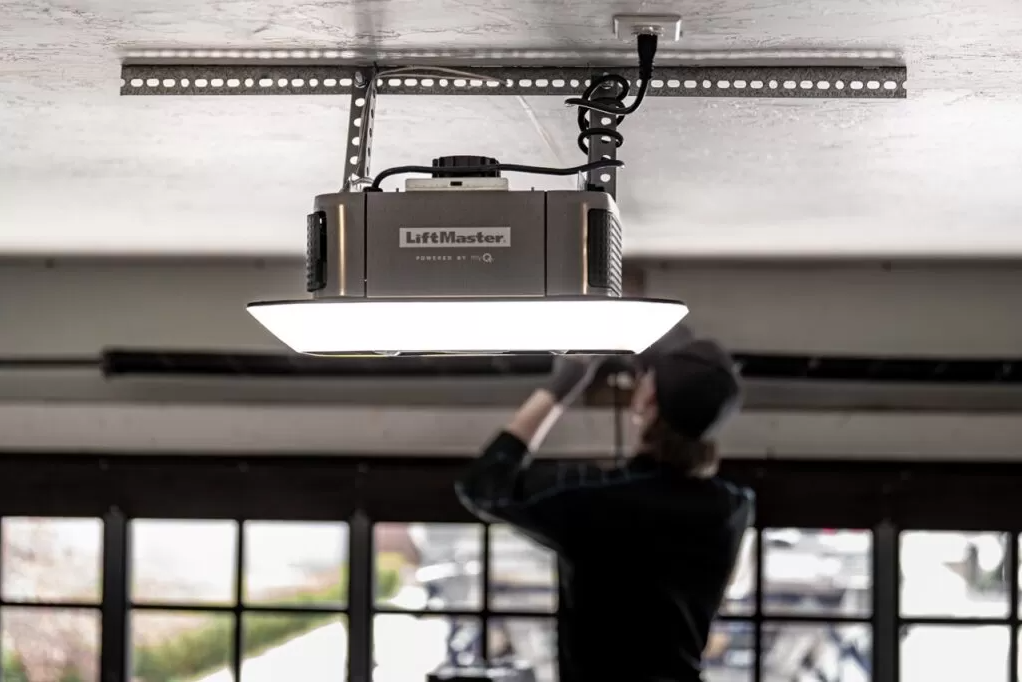
Selecting the right motor strength represents one of the most critical decisions during a garage door opener replacement. Horsepower (HP) measures the lifting capacity and endurance of the motor, ensuring the system can handle the physical weight of the door without burning out prematurely.
While a standard aluminum door might only require a modest power rating, heavy carriage-style wood doors demand significantly more torque to operate reliably. Garage Door Repair Sapphire Shores provides expert consultations to ensure your new motor is perfectly calibrated to your door’s unique weight and dimensions. Choosing an underpowered motor leads to excessive wear on the internal gears and often results in a stalled door during cold weather or high-wind events.
Matching Motor Power to Door Weight and Material
Garage door openers generally fall into three power levels: 1/2 HP, 3/4 HP, and 1 HP (or DC equivalents). Choosing the right one depends on your door’s weight and usage.
1/2 Horsepower: This is the industry standard for single-car doors or light, uninsulated double doors. It handles basic residential needs but may struggle if you add insulation or heavy windows later.
3/4 Horsepower: This is the best choice for modern double-car doors. It easily moves heavy, insulated “sandwich-style” doors with less internal stress.
1 Horsepower: Use this for oversized doors, solid wood overlays, or industrial steel. These units feature reinforced rails to handle high starting torque.
Note: Using an underpowered motor causes the thermal overload protector to trip. This leaves the door stuck until the motor cools down.
The Rise of DC Motors and Variable Speed
Modern units often use DC (Direct Current) motors instead of traditional AC. Manufacturers usually rate these in “HPS” (Horsepower Similar) or Newton-meters of torque.
Soft Start and Stop: DC motors begin the cycle slowly, accelerate, and then decelerate before touching the floor.
Reduced Wear: This variable speed prevents jarring impacts on hinges and sections, extending the life of your hardware.
Impact of Horsepower on Lifting Speed
Horsepower affects both lifting capacity and operating speed. While standard openers move at roughly 7 inches per second, higher HP units offer more consistency.
Standard Performance: Basic motors may slow down under heavy loads.
Rapid Response: High-torque 3/4 or 1 HP motors provide faster, smoother operation. This is ideal for busy households or homes on high-traffic roads where clearing the driveway quickly is essential.
Long-Term Durability and Component Synergy
The horsepower of your opener works in tandem with your spring system. Even the most powerful 1-HP motor cannot lift a door with a broken or improperly tensioned spring. The motor’s job is to initiate movement and maintain momentum, but the springs do the heavy lifting. During a professional installation, technicians balance the door to ensure the motor never has to lift more than about 10 to 15 pounds of “dead weight.” This synergy ensures that your new opener lasts for its intended 10 to 15-year lifespan without requiring major gear replacements.
Selecting the wrong power rating can lead to snapped belts or stripped screw drives within the first few years of use. If you notice your current motor straining or making a humming sound without moving the door, it is likely time for a garage door opener replacement. Getting the horsepower right ensures your home stays accessible and your family stays safe. For residents who want a perfect match between motor power and door weight, Garage Door Sapphire Shores provides expert consultations and high-torque opener installations tailored to your specific needs.